ready to get started?
Subscribe to our Newsletter
Quick Links
Connect Us
copyright 2025 by digitamite.com

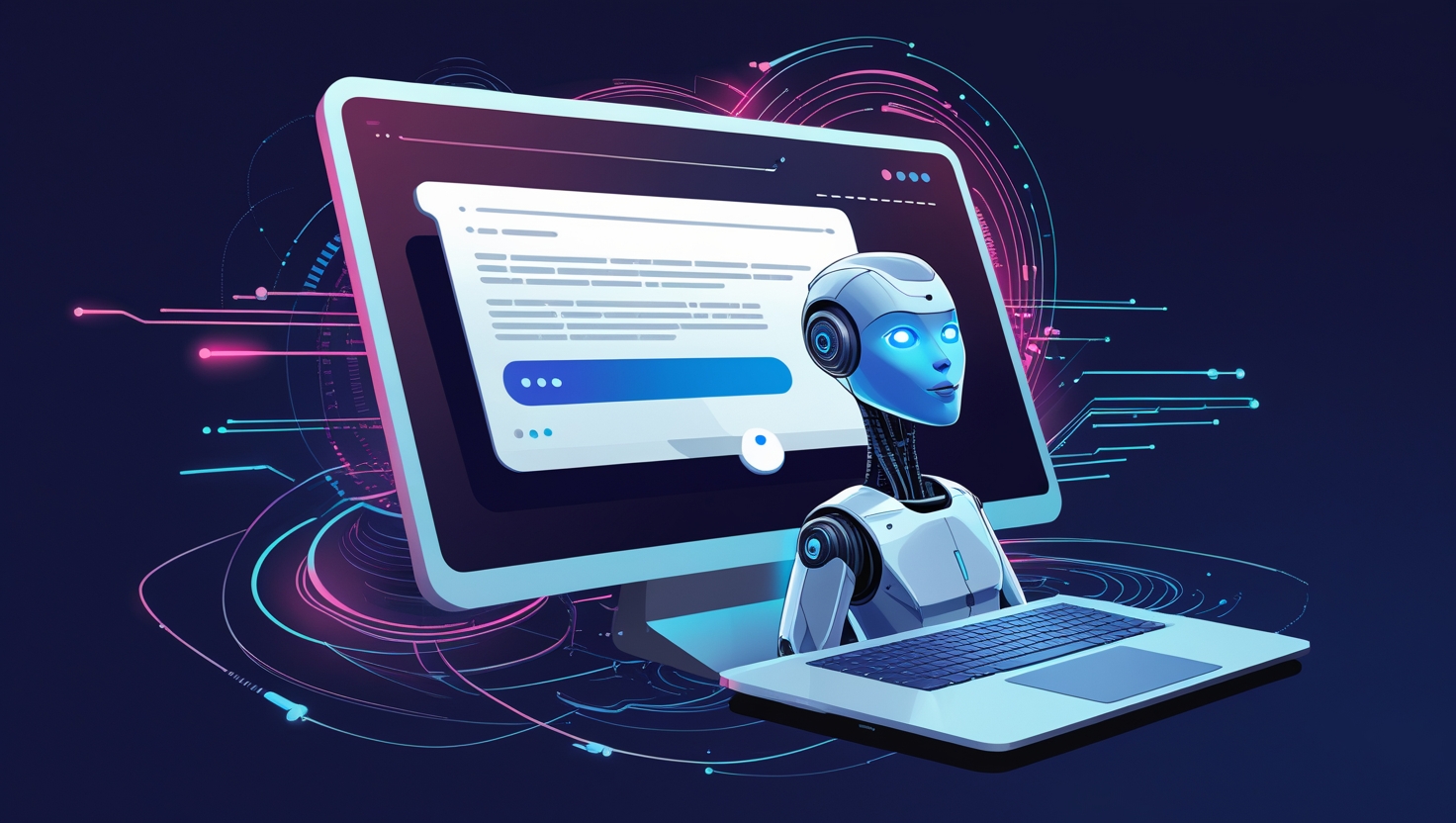
The way businesses communicate with their customers has changed drastically over the last decade. Long gone are the days when customers had to wait on hold for minutes or even hours to get answers. Today, customers expect instant support, personalized experiences, and 24/7 availability.
This is where AI-powered chatbots and conversational marketing come into play. Chatbots have evolved from simple scripted bots to advanced, AI-driven virtual assistants that can understand context, learn from interactions, and provide seamless support.
In this blog, we’ll explore in detail:
By the end, you’ll clearly understand why chatbots are no longer “just nice-to-have” tools, but an essential part of digital marketing and business growth in 2025.
AI-powered chatbots are virtual assistants that use Artificial Intelligence (AI), Machine Learning (ML), and Natural Language Processing (NLP) to simulate human-like conversations.
Unlike traditional chatbots, which rely on pre-set rules or decision trees, AI chatbots can:
For example, when a customer asks:
👉 “Can I return the shoes I bought last week if I lost the bill?”
A rule-based chatbot might fail, but an AI-powered chatbot can analyze intent, check policies, and respond:
👉 “Yes, you can return items within 30 days even without the bill. Please share your order ID to proceed.”
This level of intelligence is what makes AI chatbots powerful in conversational marketing.
Conversational marketing is a customer-centric approach that uses real-time, one-to-one conversations to move buyers through the marketing and sales funnel.
Instead of static forms, delayed email responses, or cold calls, conversational marketing leverages:
The goal is simple: Make communication more human, personalized, and instant.
Customers don’t operate on business hours. AI-powered chatbots provide round-the-clock support, ensuring no lead or query goes unanswered.
Unlike human agents, chatbots can handle thousands of conversations simultaneously. This makes them ideal for businesses dealing with high volumes of inquiries.
Chatbots reduce the need for large support teams. Gartner predicts that businesses can cut operational costs by up to 30% using conversational AI.
No one likes waiting. Chatbots deliver instant replies, enhancing customer satisfaction and reducing frustration.
By analyzing customer behavior and history, chatbots can recommend products, send offers, and provide tailored solutions.
AI chatbots can engage visitors, collect information, qualify leads, and hand them over to sales teams—saving time and boosting conversions.
Answer FAQs, provide order updates, handle returns, and troubleshoot issues instantly.
Qualify visitors by asking questions, segmenting them, and passing high-quality leads to sales reps.
Suggest products based on browsing history, purchase behavior, or real-time queries.
From salons to doctors, chatbots simplify scheduling with real-time availability.
Enable customers to complete purchases directly within chat interfaces.
Collect customer opinions in a conversational, engaging manner.
The chatbot market is expected to reach $27 billion by 2030. Here are the upcoming trends shaping the future:
Integration with voice assistants will make interactions more natural.
Chatbots will detect customer emotions (angry, happy, frustrated) and respond empathetically.
AI-driven translation will break language barriers, enabling global businesses to serve local audiences.
Imagine trying clothes in a virtual store while chatting with an AI stylist. This will redefine customer experience.
Instead of waiting for customers to ask questions, AI bots will proactively reach out with solutions.
AI-powered chatbots are no longer futuristic—they are a core part of digital marketing strategies in 2025. They enable conversational marketing by providing instant support, personalized recommendations, and round-the-clock engagement.
Businesses that embrace chatbots gain:
As AI evolves, chatbots will only become smarter, more empathetic, and more integral to the customer journey.
👉 The takeaway? If you want your business to stay competitive in 2025 and beyond, AI-powered chatbots are a must-have, not an option.
copyright 2025 by digitamite.com